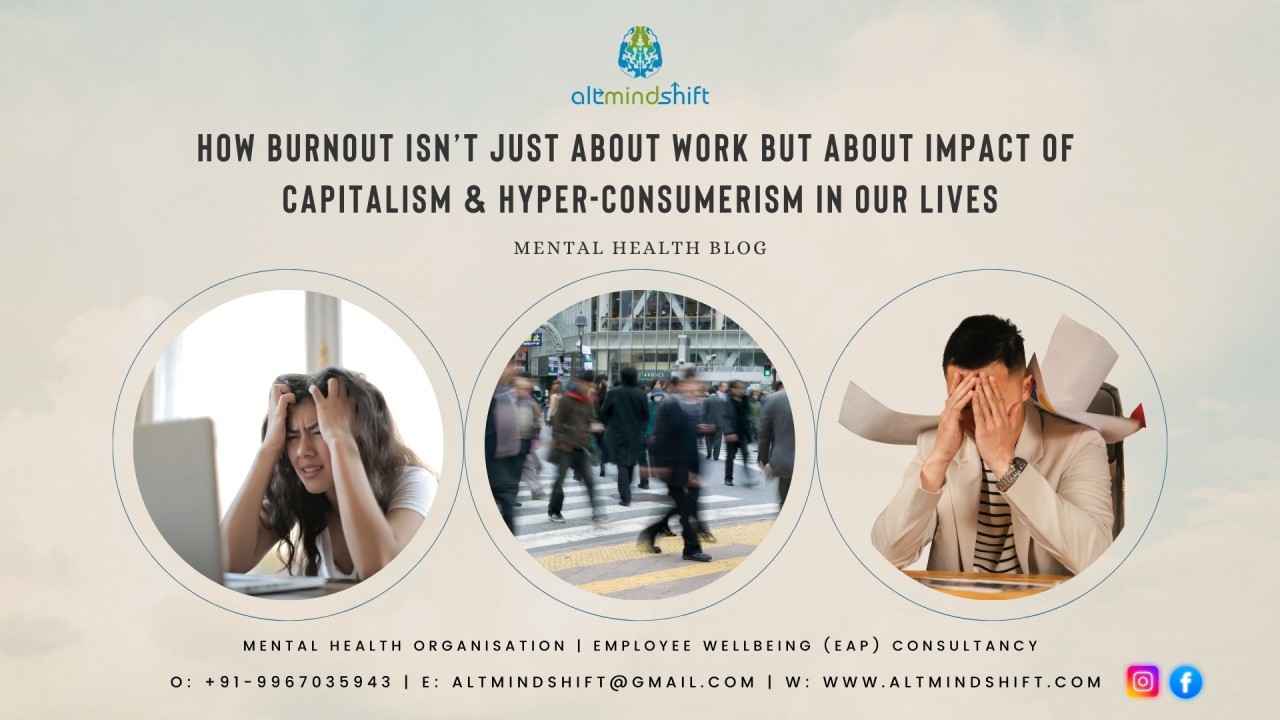
We live in a culture that has commodified burnout. We are told that chronic exhaustion, low motivation, and emotional fatigue are individual shortcomings that can be cured with better time-management apps, a weekend spa retreat, or a set of mindfulness exercises. But burnout is not a personal failure; it is a structural consequence of living in a hyper-capitalistic society that measures human worth exclusively by economic productivity and output.
Under this constant pressure, we internalize the belief that we must always be performing, optimizing, and producing. We treat rest as something we must “earn” through exhaustion, rather than a basic biological and psychological right. The result is a society-wide crisis of chronic fatigue and alienation.
The Myth of Productive Self-Care
Even our self-care has become optimized. We practice “mindfulness” so we can return to work more focused; we sleep better so we can be more productive tomorrow. When self-care is used solely to maintain your capacity to work, it ceases to be true healing and becomes just another form of labor maintenance.
To recover from chronic burnout, we must actively resist this productivity mindset and restructure our relationship with rest:
1. Redefine Rest as a Non-Negotiable Right
True rest has no utility. It is not about preparing yourself to work again. It is about allowing your nervous system to be in a state of absolute safety, play, or quiet reflection without needing to achieve a goal. Rest is restorative simply because you are human, not because it makes you a better worker.
2. Establish Rigid Boundaries
Setting boundaries is a vital survival skill, not a lack of commitment or ambition. Learn to recognize your limits and say no to demands that exceed your cognitive and emotional capacities. Protecting your time and energy is a courageous act of self-preservation in a world that constantly demands more.
3. Shift from Metrics to Meaning
Evaluate your life by qualitative metrics rather than quantitative achievements. Focus on alignment with your core values, the depth of your connections, and your simple daily joy. Reclaim your hobbies and interests for the sheer pleasure of doing them, rather than turning everything into a side-hustle or a performative post.
By actively stepping off the treadmill of constant optimization, we create a space of quiet reflection and authentic recovery. We restore the harmony between our inner selves and the outer world, helping us navigate life with lasting resilience.